



A pot of tea in a room where monks once copied manuscripts is worth something. The trouble starts when the menu offers a tea-and-cake deal costing more than a decent pub lunch, or when you find yourself at a till holding a jar of "abbey honey" bottled three counties away. Abbey tearooms and gift shops are a genuinely mixed bag, and the difference between a purchase you're glad about and one you regret usually comes down to three or four small decisions. Here's how to make them well.
The Tearoom: What Abbey Kitchens Do Well
Most abbey tearooms run a small kitchen in limited space, and that usually works in your favour. The best keep their menus short: a soup, a couple of sandwiches, a quiche or savoury tart, scones, and a cake or two that change through the week. Short menus mean food is made in batches and sold quickly. A long menu — three curries, a burger, paninis, and a full afternoon tea stand — usually means a lot of it arrived frozen.
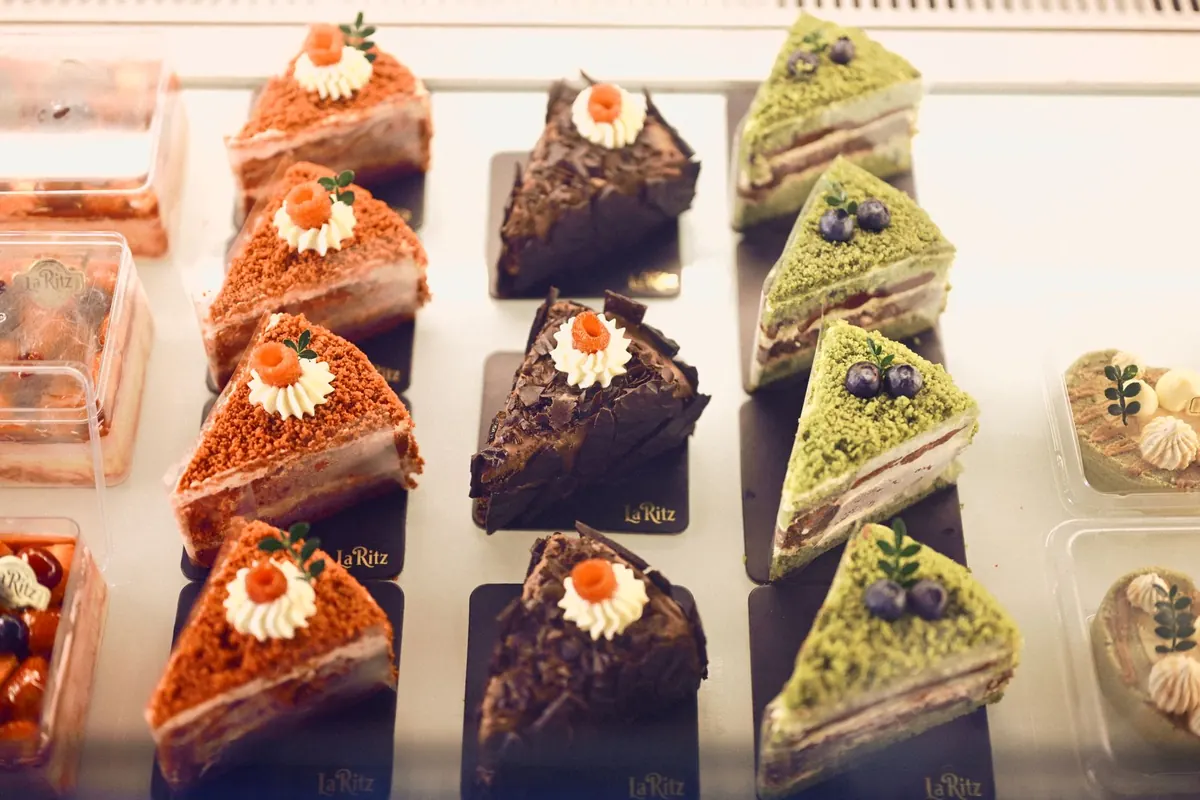
Stand near the counter for two minutes before ordering and watch what leaves the kitchen. Scones coming out warm and slightly uneven is a good sign. Cakes identical down to the piped swirl, still in wholesale boxes behind the counter, means you're paying for the room and the view. That can still be worth it — just adjust your order accordingly.
Reliable orders
- Soup with bread, especially in cold months. Hard to make badly, rarely overpriced.
- Scones, if they're baked on site. Ask; staff usually know and will say so cheerfully.
- Tea by the pot rather than the cup. More tea, longer sitting, lower cost per cup.
- Cake from a tray on the counter rather than a chilled display, which tends to mean fresher.
Orders that rarely repay the money
Individually wrapped brand shortbread at the till, factory sandwiches in plastic triangles, bottled soft drinks at restaurant markups, and afternoon tea stands assembled from slices you could have bought separately for less. None of these are awful. They're just the items with the least connection to the place you came to see. If you have a serious allergy, ask directly about shared equipment and preparation rather than relying on a symbol on the menu.
Tea, Cake and the Cream Tea Question
The cream tea is the classic test of value. Work out what you're actually getting: how many scones, how much jam and cream, and whether the tea is included or charged on top. Two scones shared between two people often beats one scone each with a bigger pot. Ask for hot water to top up the pot — most tearooms will do it free or for very little — and tap water is essentially always free.
Jam is the one component where paying a little more is usually worth it. A proper jar of local preserve is a real product you'd buy anyway. Squeeze sachets and a tiny plastic pot of generic cream are not.
The Gift Shop, Decoded
Abbey gift shops sell roughly five things at once: religious goods, books, local food, local crafts, and souvenirs with the abbey's name printed on them. The first four can be excellent. The fifth is where most money gets wasted.
Value in a gift shop comes from proximity. Anything made within a sensible radius of the building by a named person is worth a look, because you can't buy it at home and the shop has usually chosen it carefully. Ask who made it. Good shops label stock with the maker's name and village, and staff can tell you about them without reaching for a script.
Watch the difference between "made in", "designed in" and "inspired by". Read the base of a pot or the back of a box. If the country of manufacture is nowhere near the region and only the design credit is local, you're buying a souvenir. That's fine — just don't pay craft prices for it.
Worth Your Money
- Jam, honey, chutney and marmalade from a named local producer — often the same product the tearoom serves, at a fairer price than a plated portion.
- Books published by the abbey or a local history press. You won't find them cheaper elsewhere.
- Postcards and greetings cards printed from the abbey's own photographs or archive.
- Small ceramics, woodwork or textiles from a maker the shop can name.
- One sturdy tote or mug, if the price sits close to what a decent equivalent costs in town.
Skip, or Buy After You Leave
- Anything whose only distinguishing feature is the abbey name. Mugs, magnets, tea towels and pens of this kind are the same stock sold in a thousand shops.
- Toiletries and candles, unless the maker is named and genuinely local.
- Small resin figures priced like carved stone.
- "Local" food with a national distribution address on the back label.
- Anything bought out of obligation. A gift nobody asked for is the most expensive item in the shop.
Buy the thing you'd have bought if it didn't have the abbey's name on it. That's the honest test of value.
Five Checks Before You Pay
- Turn it over. Read the label, the country of manufacture, the maker's name.
- Ask a question. "Who makes this?" is a fair question and a revealing one.
- Compare shelf and plate. If the jar on the shelf is the jam on your scone, you already know the taste.
- Check the town. Many abbeys sit near a village deli or craft shop selling the same makers with lower overheads.
- Buy food last. It's heavy, and by then you'll have seen the tearoom prices.
One more point worth making plainly: many abbey shops exist to fund the upkeep of the building. Paying a small premium for that is a reasonable choice, and it's yours to make. Just make it knowingly.
A Practical Plan for Your Visit
Set a number before you walk in and split it: most for the tearoom, the rest for one or two gifts. Eat at the edges of the day — mid-morning or after three — when the room is quiet and the scones are often freshest. Order a savoury item plus a shared cake rather than a set tea, and ask for hot water for the pot. If you're buying gifts, look for the shelf version of anything you tasted. If a price feels wrong, note the maker's name, walk into town, and see whether the same product turns up for less.
For anything with real money attached, take the slower route: if a shop is selling something described as antique, rare or investment-worthy, get an independent valuation before committing. Abbey shops are usually honest places, but provenance claims deserve paperwork rather than enthusiasm.
The best souvenirs from an abbey are rarely on the shelves anyway. A photograph of the cloister in low light, a note about the window you liked, the name of the maker whose mug you actually use every morning — those hold up. Buy one thing you'll use, eat well, and leave the rest where it is.
Related posts
More stories you’ll love reading